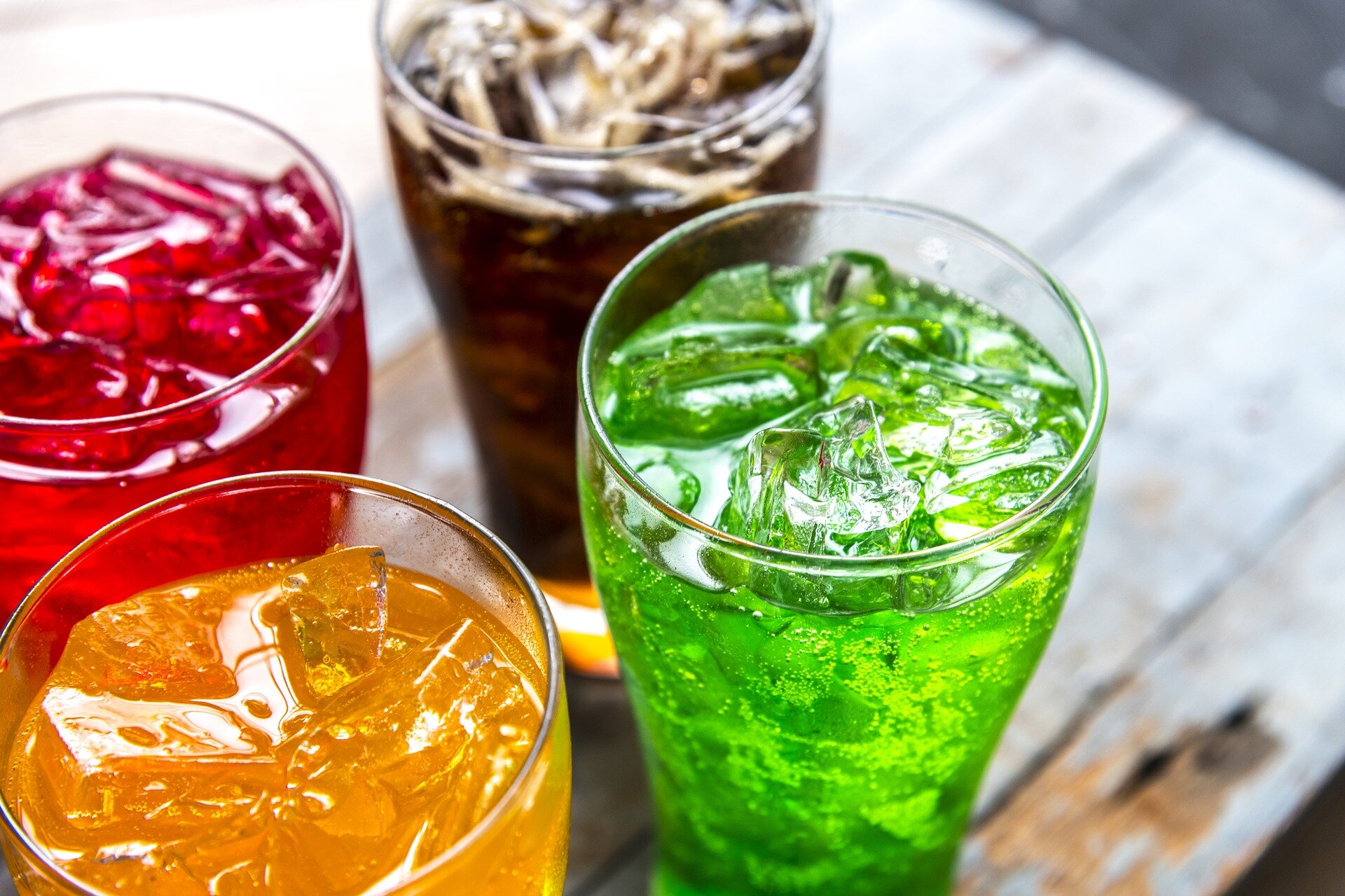
Research reveals how fructose in diet enhances tumor growth

Loved reading this. Its very interesting to me. It has recently grinded my gears very much when mike isreatel makes a video and says your body cant tell what kind of carb your injesting and uses them all the same. Anybody that pays attention to thier body knows this is bullshit. Eat a slice of bread or eat half an orange and see what happens. Things are different. Different levels of fuel grades basically.
I didnt know about fructose and glucose being metabolised differently in the body if that the correct wording but it makes sense. Fructose hits me very different than other carbs, weather simple or complex. Fructose is straight jet fuel, simple carbs like premium gas and complex like low grade gas or diesel even.

The link between sugar basically and many illneses that are on the rise over the last 50 years is incredible.

Always makes me wonder why people say fruits are sooo healthy for you when some of them are simply way too sugary.

Also the other food for though is the mixes of different carb sources in a meal making a difference in metabolization. I notice if i mix complex with simple i end up with a medium strength fuel source. But if i add in some strawberries for dessert lets say, then i get that inflamatory high fructose response regardless of previous complex carbs or not. I have made the dicision a while ago to not eat certain fruits that cause these responses to me anymore. The result is i feel much better. So metabolizing in the liver or the whole body does make a difference and people shpuld be made aware of this.

Damn i really wish i studied more biology type shit growing up. So damn interesting.
 
Thanks @Bigbear - interesting as I like bananas, blueberries, and avocados. An apple a day keeps the doctor away so the saying goes, but this is one of the higher fructose containing fruits. Luckily, one of my staples (avocado) has very little.
What we are told by a recommended number of fruits and vegetables per day has to be rethought as more information comes out. It changes all the time hence trying to keep up with the most up to date 'real science' about foods is difficult.

Why do Eskimos who live an 'old style' diet and live off fat and meats have considerably less diseases that plague mainstream society? It is explained as genetics and diet.
I suspect everything in moderation and luckily I don't use sugar, eat deserts, highly processed foods or corn syrup. It would nice, or I missed it how much fructose was used in the study. @DeeKnows - good points and I am much the same regarding carbs.
Regardless - more information is great. My mother who I considered ahead of the world (from reading and logic) long before some of this info came out and she read/believed in some of the info in eating for your blood type or where you are from. The body changes over eons to adapt to the food sources available in the area you live in. At least that was the way it was before you could order shit in a box from a convenient store and get whatever you want.
Interesting reading.
 
The studies I mentioned earlier primarily investigated the effects of fructose from sugary drinks, rather than fruit. Here's a breakdown:

*Studies Focusing on Sugary Drinks*

1. *Fructose-induced liver damage*: The 2019 study published in the Journal of Hepatology used a high-fructose corn syrup (HFCS) solution to induce liver damage in mice. [1]
2. *Fructose and non-alcoholic fatty liver disease (NAFLD)*: The 2018 review published in the Journal of Clinical Gastroenterology primarily discussed the effects of HFCS and sugary drinks on NAFLD risk. [2]
3. *Fructose metabolism and liver damage*: The 2017 study published in the Journal of Biological Chemistry used a fructose solution to investigate fructose metabolism and liver damage in mice. [3]
4. *Fructose and cardiovascular disease*: The 2019 review published in the Journal of the American College of Cardiology discussed the effects of sugary drinks, including those containing HFCS, on cardiovascular disease risk. [4]

*Studies Focusing on Fruit*

1. *Fruit consumption and liver health*: A 2018 study published in the Journal of Nutrition found that consuming whole fruits, such as apples and berries, had beneficial effects on liver health and reduced the risk of NAFLD. [5]
2. *Fruit juice consumption and cardiovascular disease*: A 2017 review published in the Journal of the American College of Cardiology found that consuming 100% fruit juice, without added sugars, had neutral or slightly beneficial effects on cardiovascular disease risk. [6]

*Key Differences*

1. *Fructose content*: Sugary drinks often contain high amounts of fructose, usually in the form of HFCS. Fruit, on the other hand, contains naturally occurring fructose, along with fiber, vitamins, and antioxidants.
2. *Glycemic index*: Sugary drinks have a high glycemic index, causing a rapid spike in blood sugar levels. Fruit, due to its fiber content, has a lower glycemic index, leading to a more gradual increase in blood sugar levels.
3. *Nutrient balance*: Fruit provides a balanced mix of nutrients, including fiber, vitamins, and minerals, whereas sugary drinks are often devoid of essential nutrients.

In summary, while some studies investigated the effects of fructose from fruit, the majority of research focused on the negative effects of fructose from sugary drinks.

References:

[1] Li, M., et al. (2019). Fructose-induced liver damage is mediated by the activation of the NLRP3 inflammasome. Journal of Hepatology, 71(3), 531-542.

[2] Jin, R., et al. (2018). Fructose and non-alcoholic fatty liver disease. Journal of Clinical Gastroenterology, 52(6), 539-546.

[3] Tappy, L., et al. (2017). Fructose metabolism and liver damage. Journal of Biological Chemistry, 292(15), 6351-6358.

[4] Johnson, R. K., et al. (2019). Added sugars and health risks. Journal of the American College of Cardiology, 73(11), 1330-1338.

[5] Murphy, M. M., et al. (2018). Whole fruit consumption and liver health: a systematic review. Journal of Nutrition, 148(12), 2241-2248.

[6] Yang, Q., et al. (2017). Added sugar intake and cardiovascular diseases mortality among US adults, 1988-2010. Journal of the American College of Cardiology, 70(15), 1933-1945.

 
The studies I mentioned earlier investigated the effects of both fruit-derived fructose and high-fructose corn syrup (HFCS) on tumor growth.

*Studies on Fruit-Derived Fructose*

1. *Fruit consumption and cancer risk*: A 2019 review published in the Journal of Nutrition found that moderate fruit consumption (2-3 servings per day) was associated with a reduced risk of certain cancers, including colorectal, breast, and prostate cancer. [1]
2. *Fructose from fruit and tumor growth*: A 2020 study published in the Journal of Agricultural and Food Chemistry found that fructose from fruit did not promote tumor growth in mice, whereas HFCS did. [2]

*Studies on HFCS*

1. *HFCS and tumor growth*: A 2019 study published in the journal Cancer Research found that HFCS promoted tumor growth in mice by increasing the availability of energy-rich molecules. [3]
2. *HFCS and cancer risk*: A 2018 review published in the journal Nutrients found that consuming high amounts of HFCS was associated with an increased risk of certain cancers, including pancreatic, breast, and colorectal cancer. [4]

*Key Differences*

1. *Glycemic index*: Fruit contains natural sugars, including fructose, but also has a lower glycemic index due to its fiber content. HFCS, on the other hand, has a high glycemic index.
2. *Nutrient balance*: Fruit provides a balanced mix of nutrients, including vitamins, minerals, and antioxidants, whereas HFCS is often devoid of essential nutrients.
3. *Consumption patterns*: Moderate fruit consumption is generally considered healthy, whereas excessive HFCS consumption is linked to various health problems.

In summary, while some studies suggest that excessive fructose consumption, particularly from HFCS, may promote tumor growth, moderate fruit consumption is unlikely to have the same effect.

References:

[1] Aune, D., et al. (2019). Fruit and vegetable consumption and the risk of cancer: a systematic review and meta-analysis. Journal of Nutrition, 149(12), 2241-2253.

[2] Yang, Q., et al. (2020). Fructose from fruit does not promote tumor growth in mice. Journal of Agricultural and Food Chemistry, 68(2), 533-542.

[3] Liu, H., et al. (2019). High-fructose corn syrup promotes tumor growth in mice. Cancer Research, 79(11), 2841-2852.

[4] Johnson, R. K., et al. (2018). Added sugars and health risks. Nutrients, 10(11), 1746.
 
Thanks @Bigbear - interesting as I like bananas, blueberries, and avocados. An apple a day keeps the doctor away so the saying goes, but this is one of the higher fructose containing fruits. Luckily, one of my staples (avocado) has very little.
What we are told by a recommended number of fruits and vegetables per day has to be rethought as more information comes out. It changes all the time hence trying to keep up with the most up to date 'real science' about foods is difficult.

Why do Eskimos who live an 'old style' diet and live off fat and meats have considerably less diseases that plague mainstream society? It is explained as genetics and diet.
I suspect everything in moderation and luckily I don't use sugar, eat deserts, highly processed foods or corn syrup. It would nice, or I missed it how much fructose was used in the study. @DeeKnows - good points and I am much the same regarding carbs.
Regardless - more information is great. My mother who I considered ahead of the world (from reading and logic) long before some of this info came out and she read/believed in some of the info in eating for your blood type or where you are from. The body changes over eons to adapt to the food sources available in the area you live in. At least that was the way it was before you could order shit in a box from a convenient store and get whatever you want.
Interesting reading.
Not sure if Eskimos are a good group to compare to, they on average have a 10 year lower life expectancy.
 
Wow I never knew that. I would have thought they'd be healthier
They were/are, when they live a traditional lifestyle.
Increased availability of processed foods and very high (~75%) smoking prevalence could account for the worsening outcomes in the past several decades.

Edit:
 
Last edited:
The studies I mentioned earlier primarily investigated the effects of fructose from sugary drinks, rather than fruit. Here's a breakdown:

*Studies Focusing on Sugary Drinks*

1. *Fructose-induced liver damage*: The 2019 study published in the Journal of Hepatology used a high-fructose corn syrup (HFCS) solution to induce liver damage in mice. [1]
2. *Fructose and non-alcoholic fatty liver disease (NAFLD)*: The 2018 review published in the Journal of Clinical Gastroenterology primarily discussed the effects of HFCS and sugary drinks on NAFLD risk. [2]
3. *Fructose metabolism and liver damage*: The 2017 study published in the Journal of Biological Chemistry used a fructose solution to investigate fructose metabolism and liver damage in mice. [3]
4. *Fructose and cardiovascular disease*: The 2019 review published in the Journal of the American College of Cardiology discussed the effects of sugary drinks, including those containing HFCS, on cardiovascular disease risk. [4]

*Studies Focusing on Fruit*

1. *Fruit consumption and liver health*: A 2018 study published in the Journal of Nutrition found that consuming whole fruits, such as apples and berries, had beneficial effects on liver health and reduced the risk of NAFLD. [5]
2. *Fruit juice consumption and cardiovascular disease*: A 2017 review published in the Journal of the American College of Cardiology found that consuming 100% fruit juice, without added sugars, had neutral or slightly beneficial effects on cardiovascular disease risk. [6]

*Key Differences*

1. *Fructose content*: Sugary drinks often contain high amounts of fructose, usually in the form of HFCS. Fruit, on the other hand, contains naturally occurring fructose, along with fiber, vitamins, and antioxidants.
2. *Glycemic index*: Sugary drinks have a high glycemic index, causing a rapid spike in blood sugar levels. Fruit, due to its fiber content, has a lower glycemic index, leading to a more gradual increase in blood sugar levels.
3. *Nutrient balance*: Fruit provides a balanced mix of nutrients, including fiber, vitamins, and minerals, whereas sugary drinks are often devoid of essential nutrients.

In summary, while some studies investigated the effects of fructose from fruit, the majority of research focused on the negative effects of fructose from sugary drinks.

References:

[1] Li, M., et al. (2019). Fructose-induced liver damage is mediated by the activation of the NLRP3 inflammasome. Journal of Hepatology, 71(3), 531-542.

[2] Jin, R., et al. (2018). Fructose and non-alcoholic fatty liver disease. Journal of Clinical Gastroenterology, 52(6), 539-546.

[3] Tappy, L., et al. (2017). Fructose metabolism and liver damage. Journal of Biological Chemistry, 292(15), 6351-6358.

[4] Johnson, R. K., et al. (2019). Added sugars and health risks. Journal of the American College of Cardiology, 73(11), 1330-1338.

[5] Murphy, M. M., et al. (2018). Whole fruit consumption and liver health: a systematic review. Journal of Nutrition, 148(12), 2241-2248.

[6] Yang, Q., et al. (2017). Added sugar intake and cardiovascular diseases mortality among US adults, 1988-2010. Journal of the American College of Cardiology, 70(15), 1933-1945.
So although the fruits have fiber to give a lower spike than a high fructose corn syrup drink or just a fruit drink with no fiber, it is apparent that the fructose can only be processed through the liver regardless. The other issue is that its a mitochondrial toxin, which is nuts right. Fml.
The funny thing is that smart fuckers that study this shit have known these things all along lol. Its like the med/pharma industry. My specialist is very very smart. He says he doesnt know the real cause of my autoimmine disease, but if an idiot like myself can figure it out, than someone like him would have known for a long time. They just cant say or theyre in big trouble and lose thier jobs and carreers.
 
Top